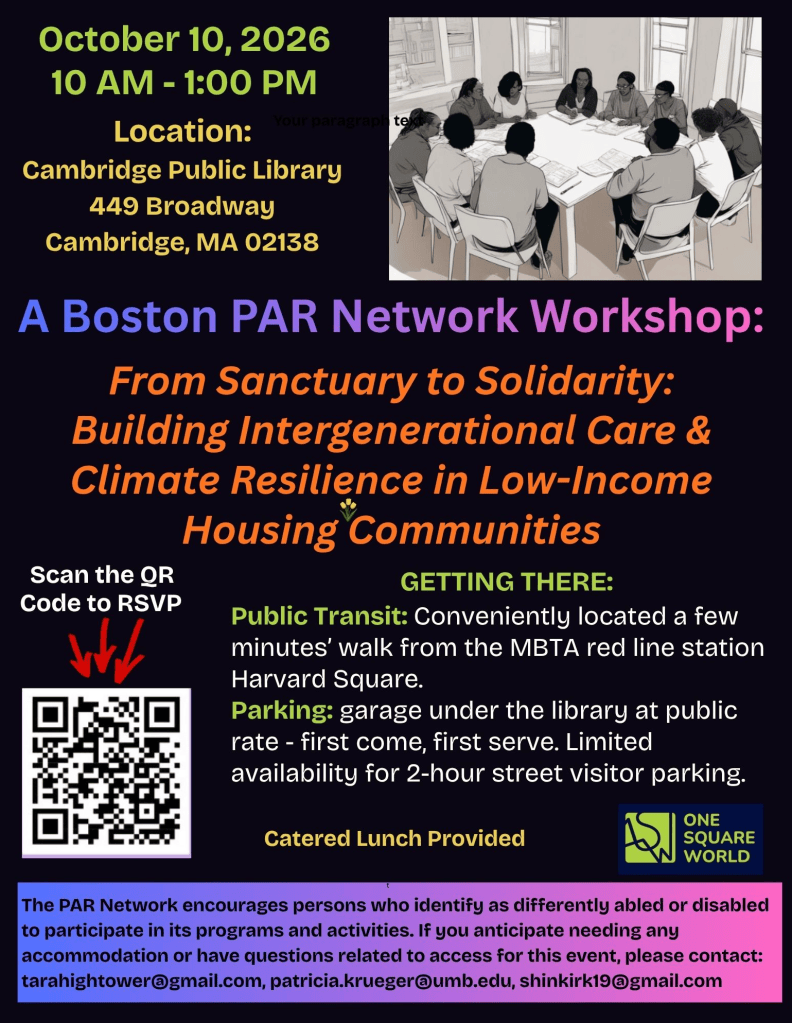
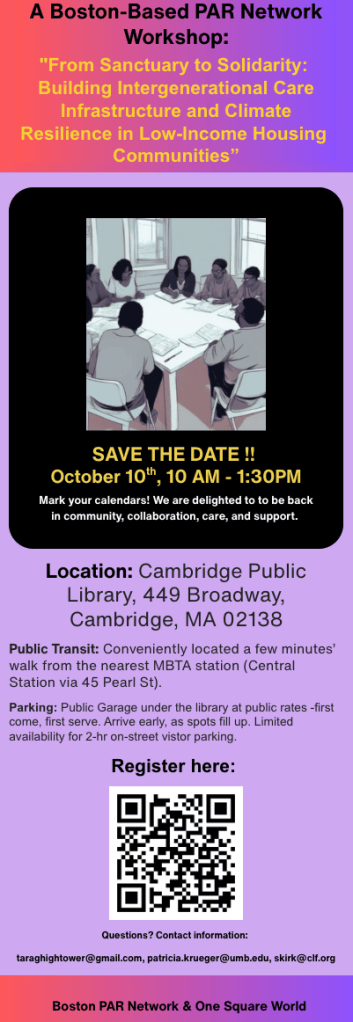
Our next meeting has been scheduled!
Benefits: Learn About PAR strategies & Strengthen our PAR Practices Apply PAR to community organizing around issues of (in)justices in education and housing Grow an Online PAR Community Hub to share resources Participate in workshops about housing and education justice Exchange Transformative Success Stories Grow Peer-to-Peer Mentorship Build Community Collaborations
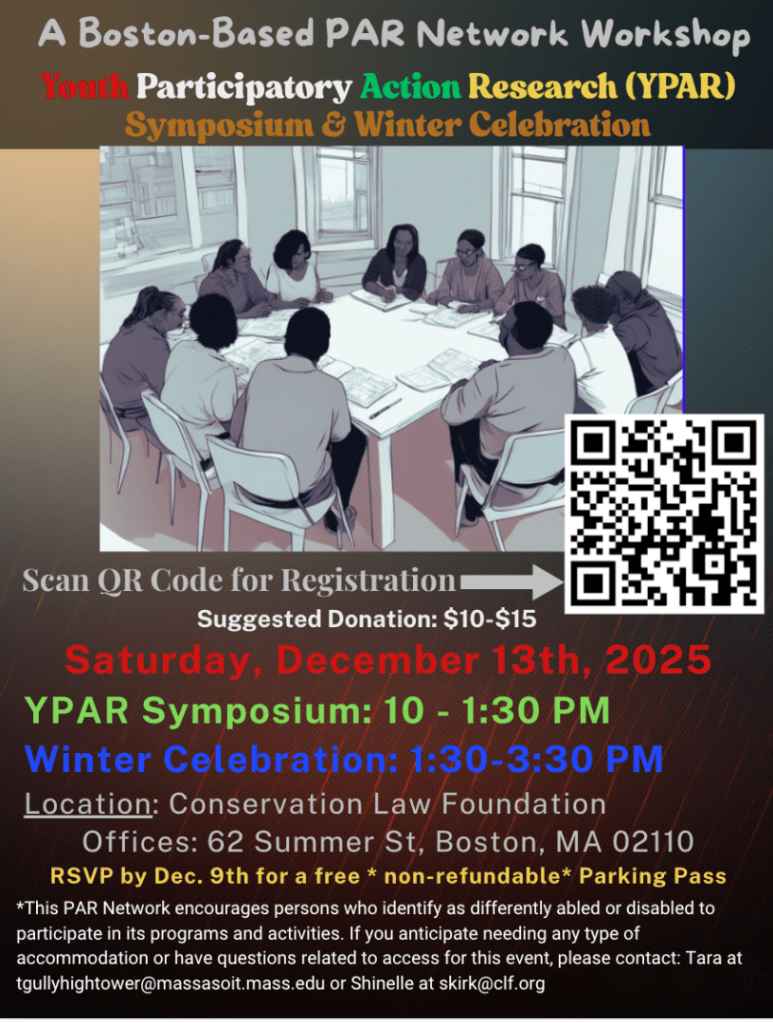
This post centers on a key image shared by the Boston PAR Network. Open the full post to see the image in context and learn what it represents for current network activities or events.
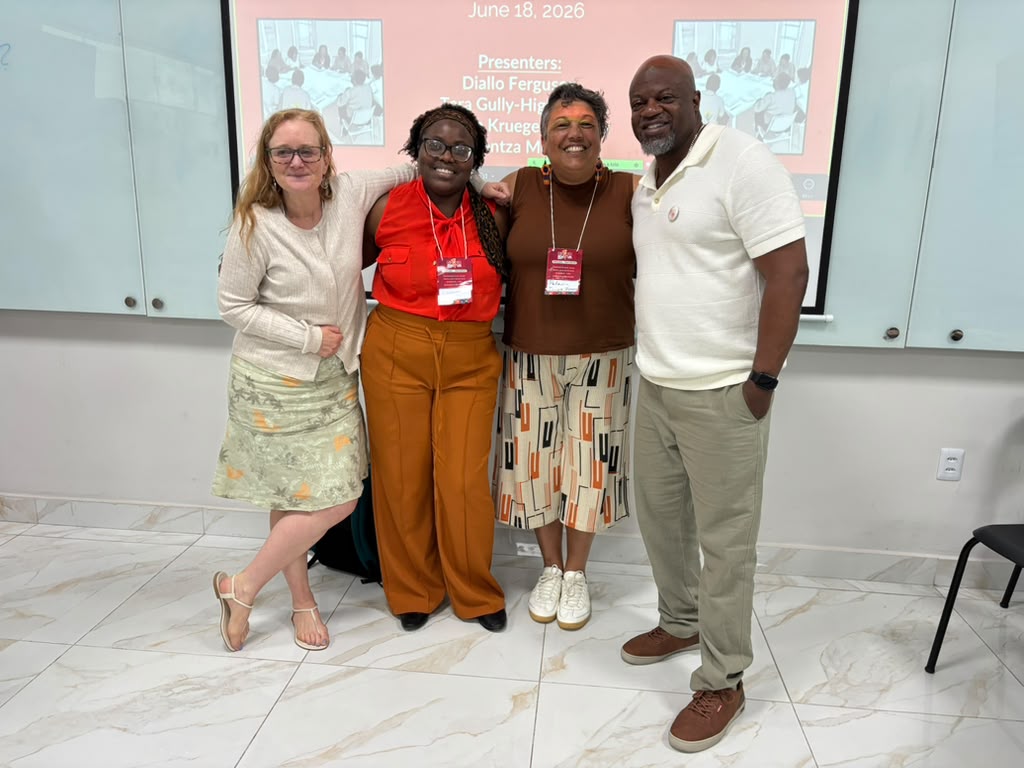
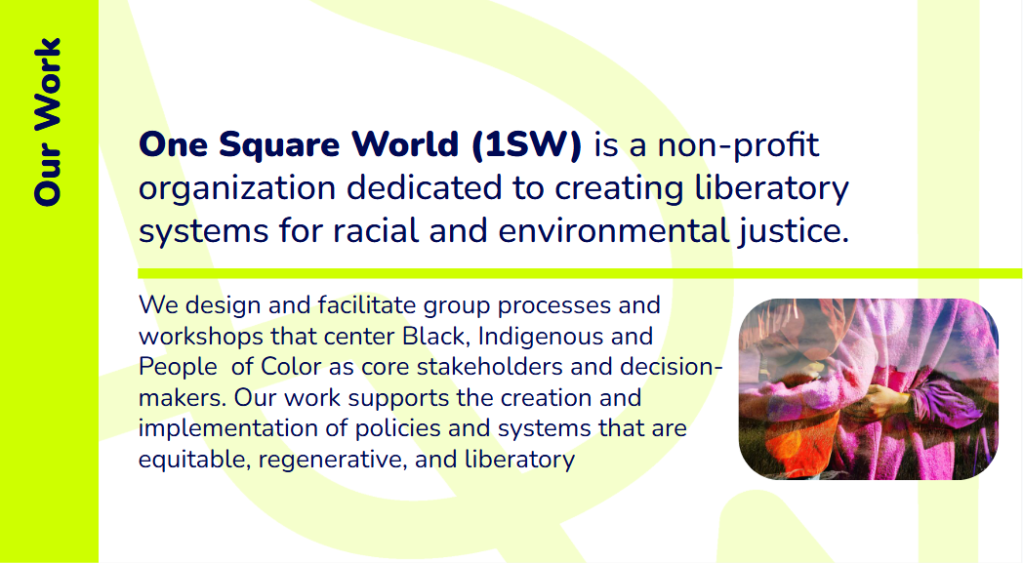
Boston PAR Network members, Diallo Ferguson, Dr. Tara Gully-Hightower, Dr. Patricia Krueger-Henney, and Dr. Allentza Michel, traveled to Sobral, Brazil, this June to share the work done by the BPARN members to create our beloved grassroots collective. The presentation highlighted how the BPARN is a community of activists, students, educators, and researchers responding to the deepening crises of structural violence and social marginalization within Boston-area neighborhoods and schools. Presenters shared the origins of the network, from the beginning of the first BPARN meeting in 2022 hosted by the Conservation Law Foundation and Massasoit Community College in Brockton, to the monthly meetings supported by an “action” grant from The Healthy Neighborhoods’ Study, to our most recent evolution working with One Square World as our fiscal sponsor.
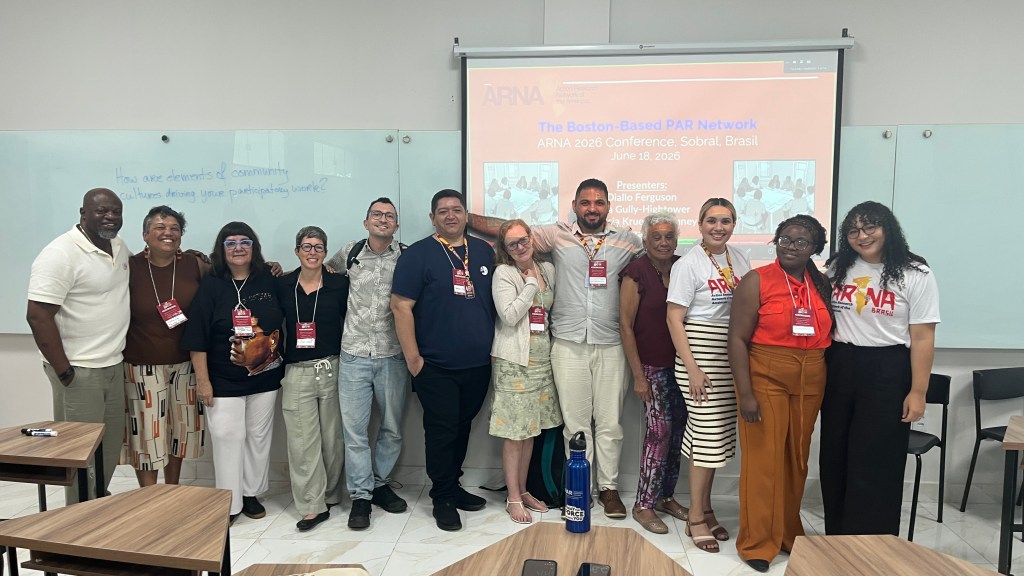
The BPARN team engaged with new PAR colleagues from across the Americas in discussions about the place of decolonial ethics, critical theoretical stances, and intentional community positionality in the practice of PAR.
BPARN was established in 2022.
171 BPARN members form a collective of community activists, students, educators, and researchers responding to the deepening crises of structural violence and social marginalization within Boston-area neighborhoods.
We recognize the intersectional impact of housing precarity and educational inequity—two critical sites of chronic instability that continue to affect Black, Indigenous, Latinx, LGBTQIA youth, single-income, and immigrant communities.
In response, BPARN serves as a hub for community educators, artists, and researchers from non-profit, public, and academic sectors to exchange knowledge, provide training, and support PAR initiatives that center lived expertise through radical, community-led research frameworks.
BPARN prioritizes critical participatory action research as a tool for communities to manifest action-based solutions amidst ongoing struggle. Specifically, our efforts focus on mitigating the harm of structural violence by offering collaborative training in action-oriented participatory and people-led research that drives community-informed policy change.
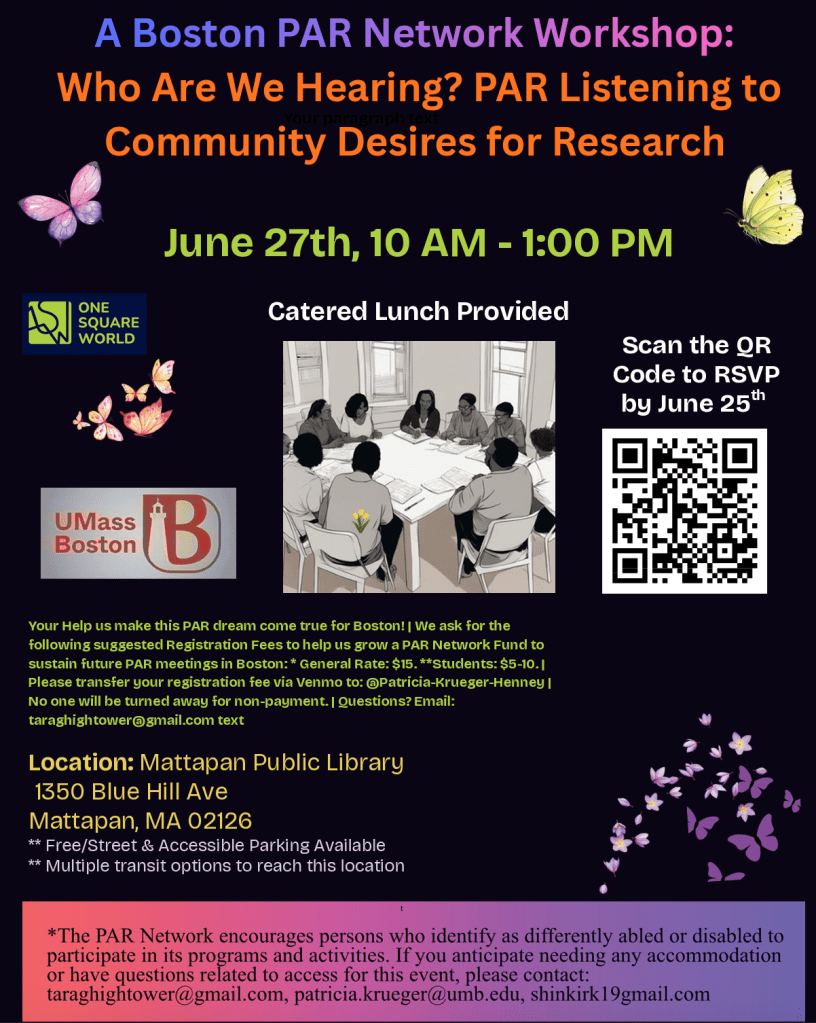
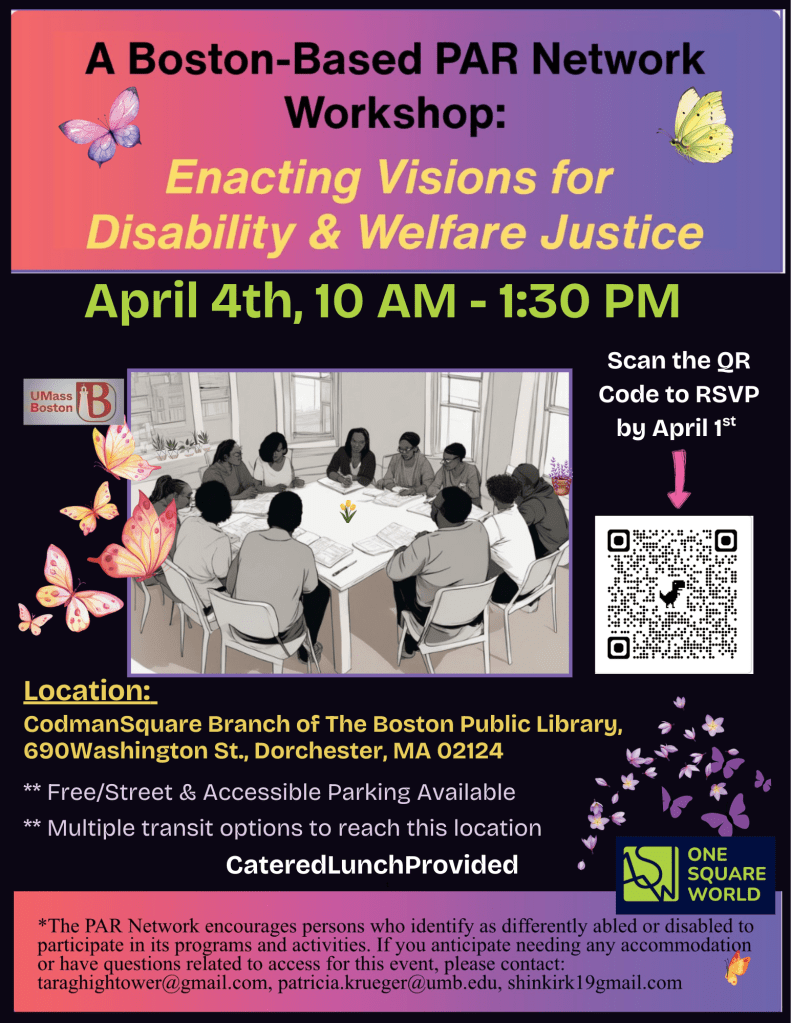
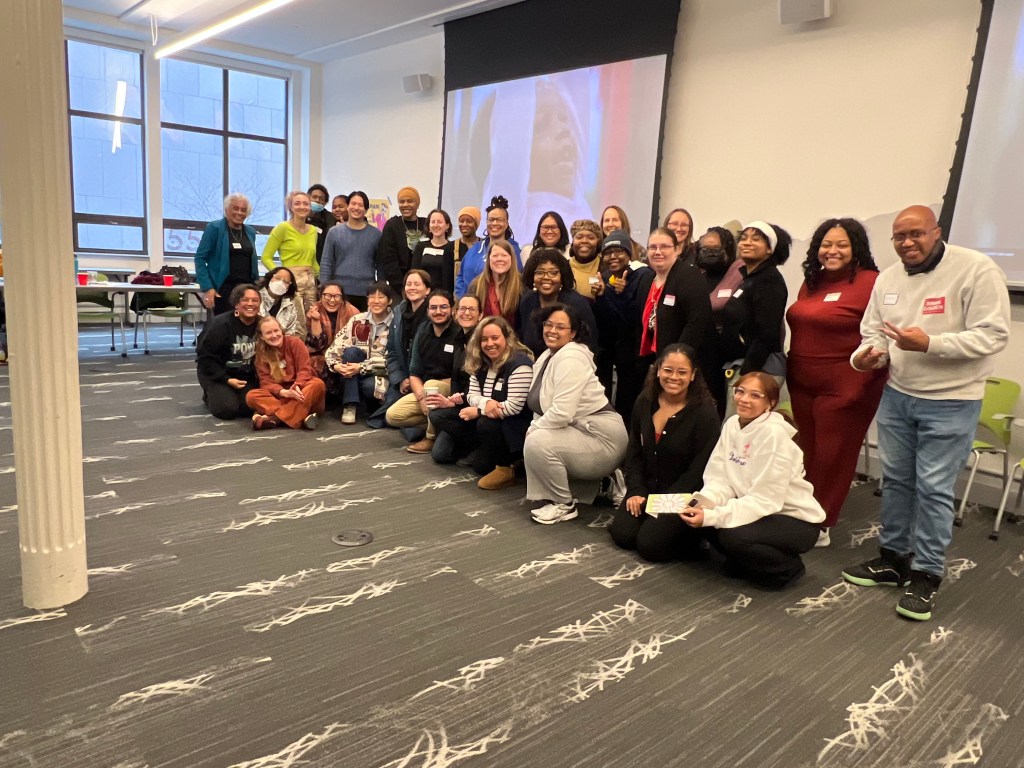
Happy New Year, readers! On December 13th, 2025, the Boston PAR Network held a youth workshop and celebrated the first anniversary of the network. From high school students to teachers, participants came together to share Youth PAR (YPAR) projects, lessons, and stories. In total, three major projects were presented, with a focus on middle and high school students.
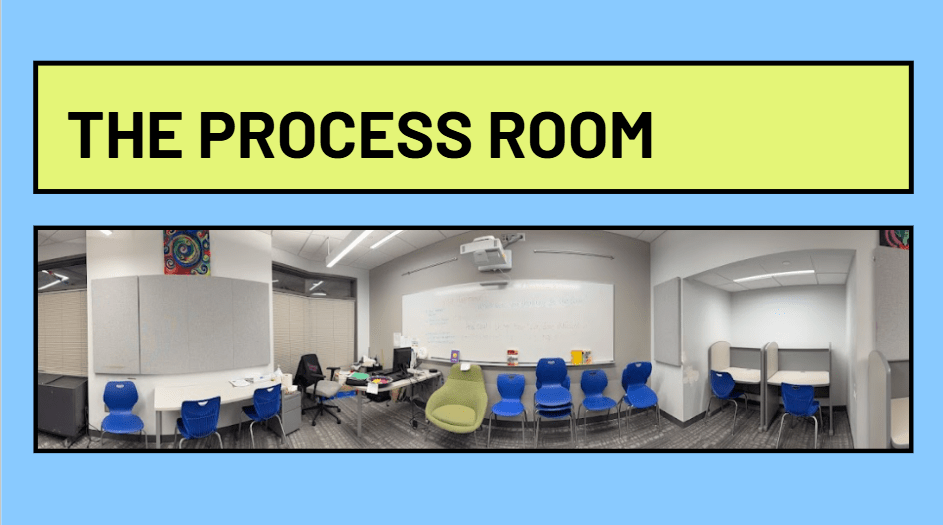
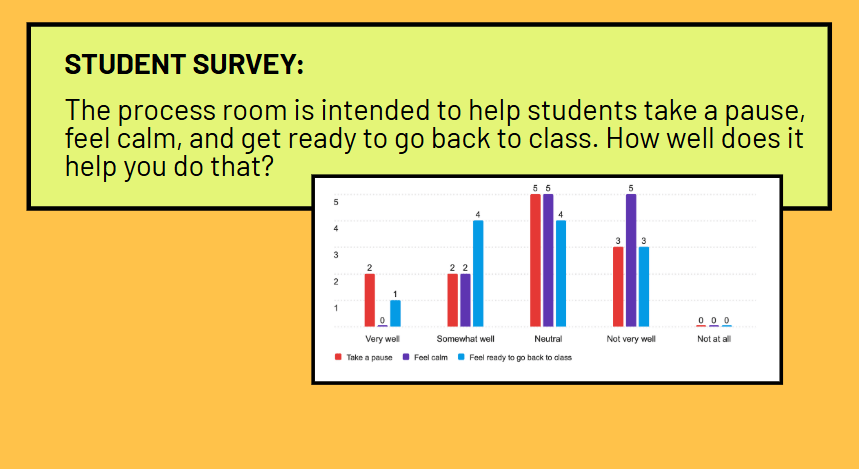
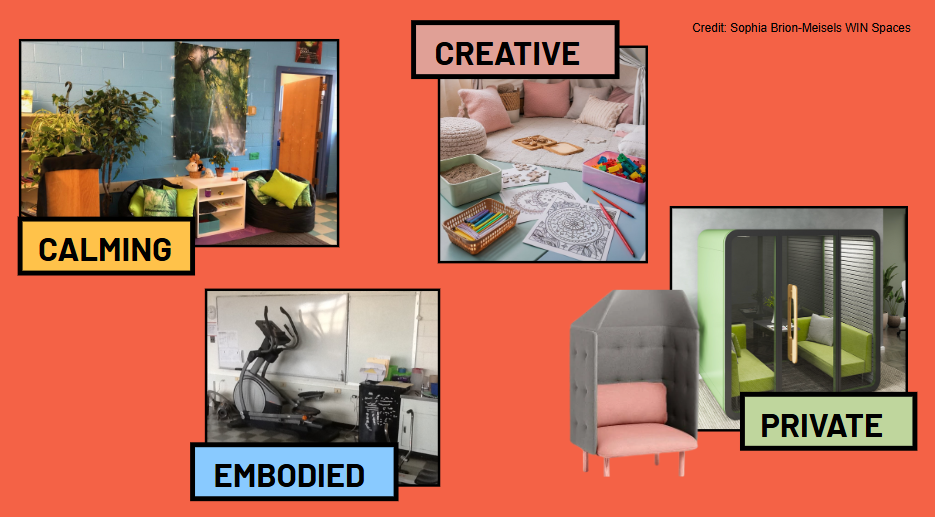
The first project, Envisioning Restorative Spaces: Opportunities and Challenges in the Next Wave Process Room, presented by Karen Su, went into a deep dive into an alternative middle school’s process room. Students of the school worked alongside researchers, voicing the strengths and weaknesses of the school and the process room. Using mixed methods research, the researchers were able to recognize that the process room was largely ineffective, or even detrimental for the students. The students were able to share what changes would meet their needs, giving them a voice on what they needed to succeed. The work that was done has shown that student voices and staff support are essential to improving not just the process room, but the school as a whole.
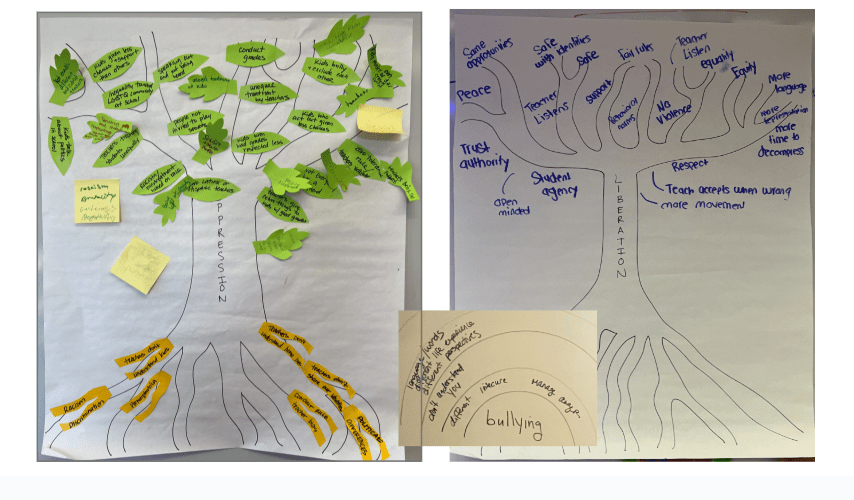
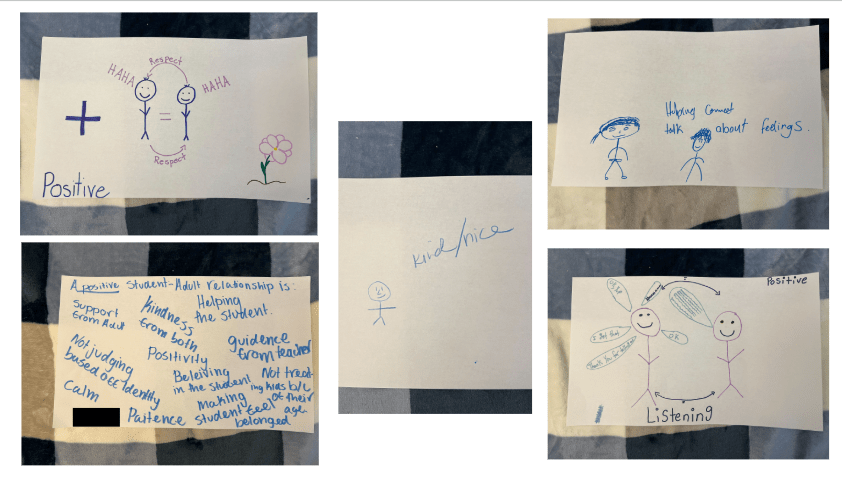
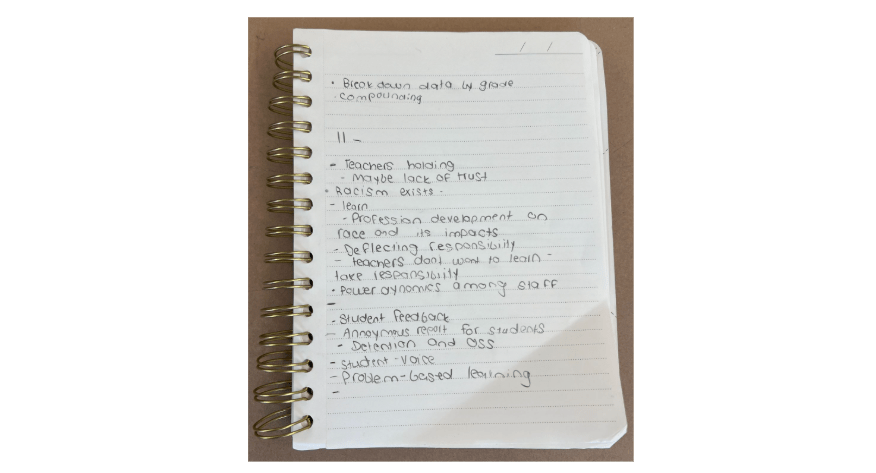
The second project, Argenziano SEAT Student-Teacher Relationships, presented by Kris Xu, studied student-teacher relationships at a middle school and how these relationships impact the experiences of students and staff alike. Similar to the process room study, students were involved in the research and worked with researchers to express their thoughts. Teachers were actively involved as well. Students and teachers were surveyed and then interviewed. With EMIC coding, the findings revealed there is a wide range of positive and negative relationships and a need for improvement. Adults of color were also more likely to point out institutionalized inequality. Educating teachers on how to be more conscious of a student’s identity and their own biases will help improve relations and the school environment.
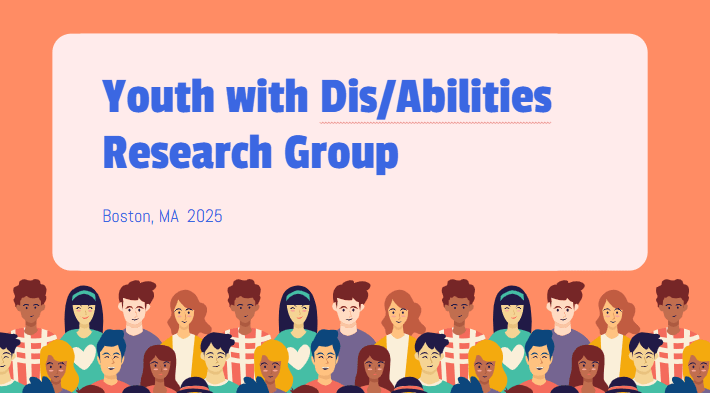
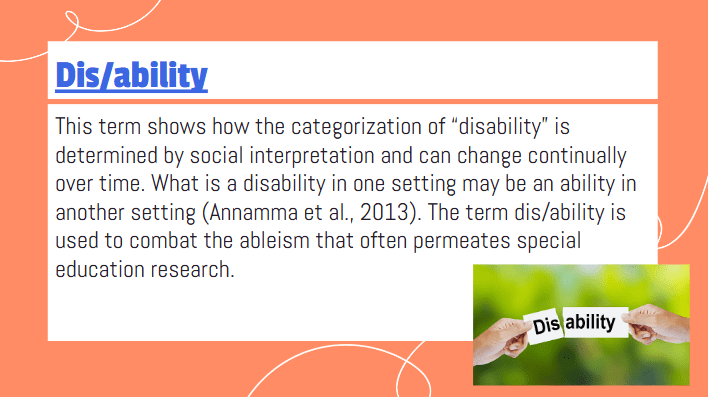
The final project, Youth with Dis/Abilities Research Group, presented by three Boston Public School (BPS) students and a UMass Boston researcher, studied how students with dis/abilities experience school within the BPS system and how to improve schools for students with dis/abilities. The researchers consist of 10 BPS students with dis/abilities and the UMass Boston researcher, who is also a BPS special education teacher. Utilizing mixed methods research, the researchers found that teens with dis/abilities have negative feelings about the school environment. Teachers were the top factor in contributing to a student’s experience in school. The researchers have taken actions to improve school conditions, such as meeting with the Boston Teachers Union, reaching out to teachers to form clubs for students with dis/abilities, and presenting their work to share with other teachers and school leaders. Action is still actively getting done to bring change.
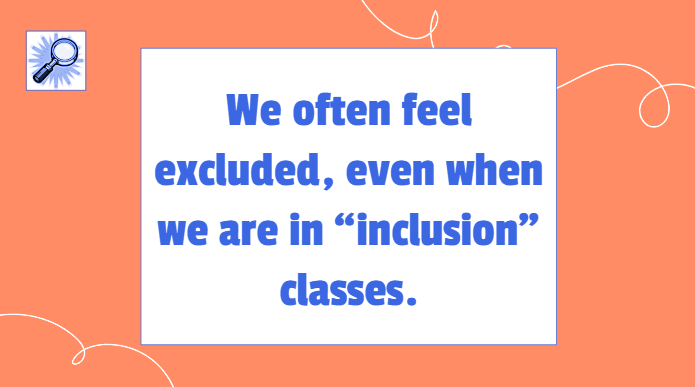
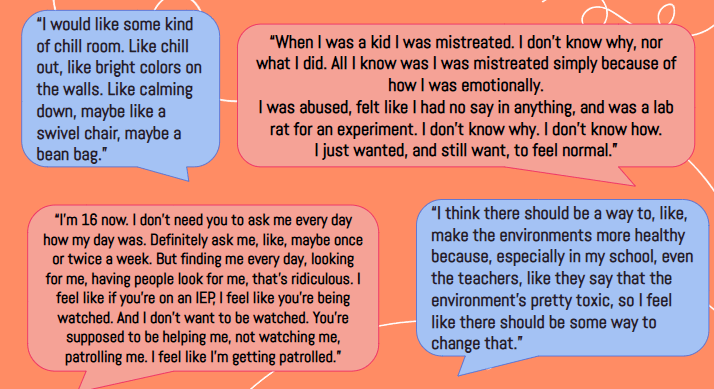
We thank all of the presenters for sharing their hard work and findings with the Boston PAR Network. The Boston PAR Network continues to move forward in its mission to connect with educators, activists, and residents alike to bring light to systemic issues. Youth are an integral part of our work, and their voices are needed.
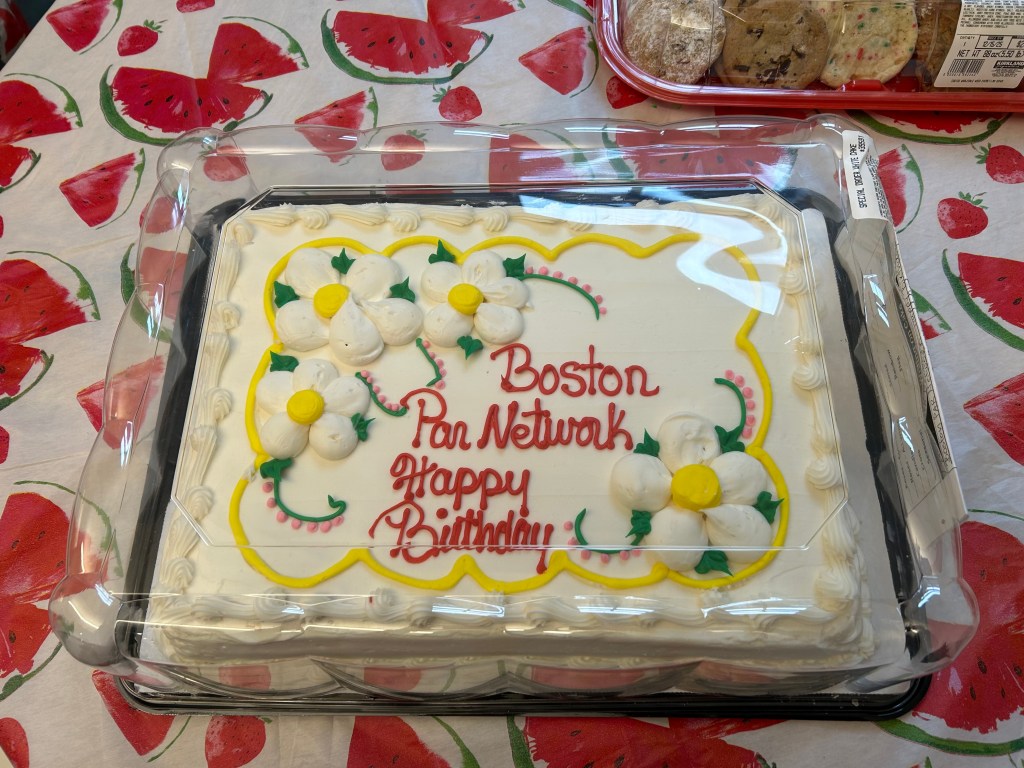
As we wrapped up the presentations, we also celebrated the Boston PAR Network’s first anniversary! We once again thank everyone who was able to attend, and to those who are a part of our network. Moving into the new year, we look forward to continuing to work with everyone and forming more connections. Be on the lookout for future workshops and collaborations! We hope to see everyone again soon.
The Boston PAR Network held a successful collaboration meeting on September 13th, 2025 at the Healthy Neighborhood Study Conservation Law Foundation office. We would like to thank everyone who attended and shared their thoughts.
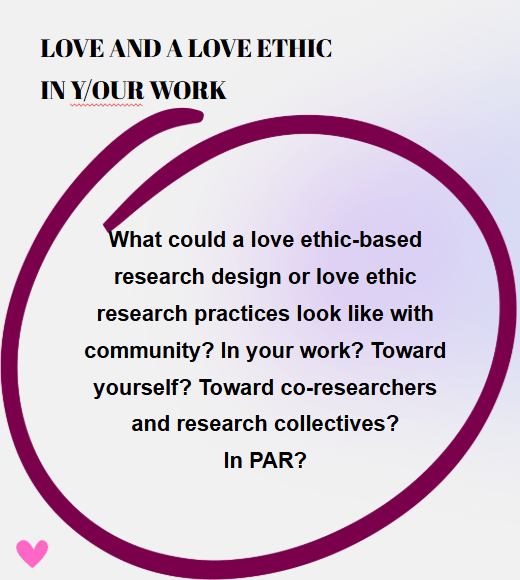
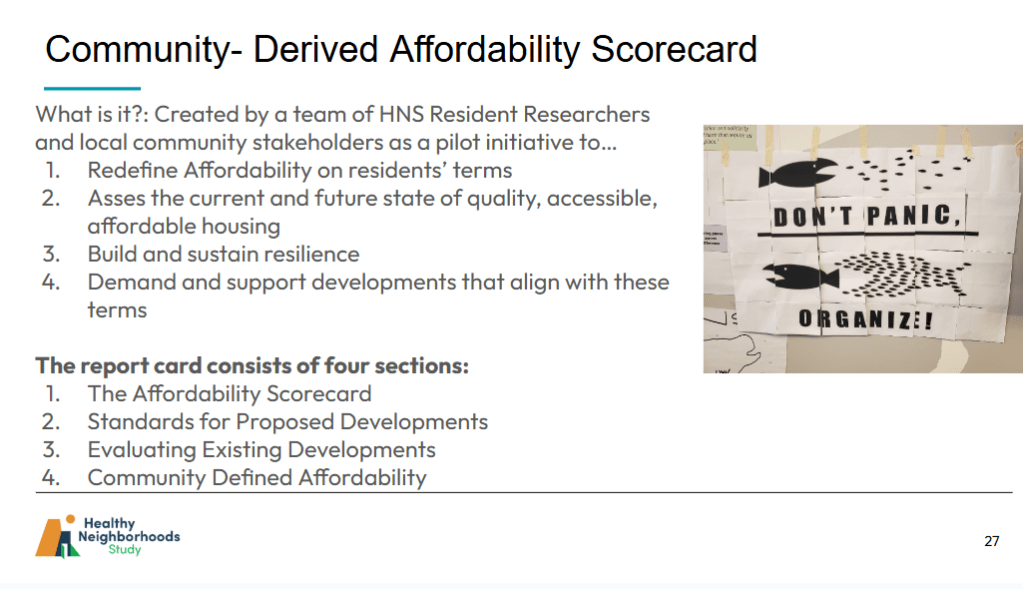
During the meeting, we focused on a variety of projects such as researching with love presented by Amy Collinsworth, a housing affordability report card presented by Shinelle Kirk, and climate justice and building a greater PAR network in Boston presented by One Square World. Educators, students, and residents alike joined us in learning and discussing community collaborative work.
As we continue to move forward during an ever-changing time period for our neighborhoods, working together and sharing our knowledge is an essential in order to reach our goals and continue to turn our research into action.
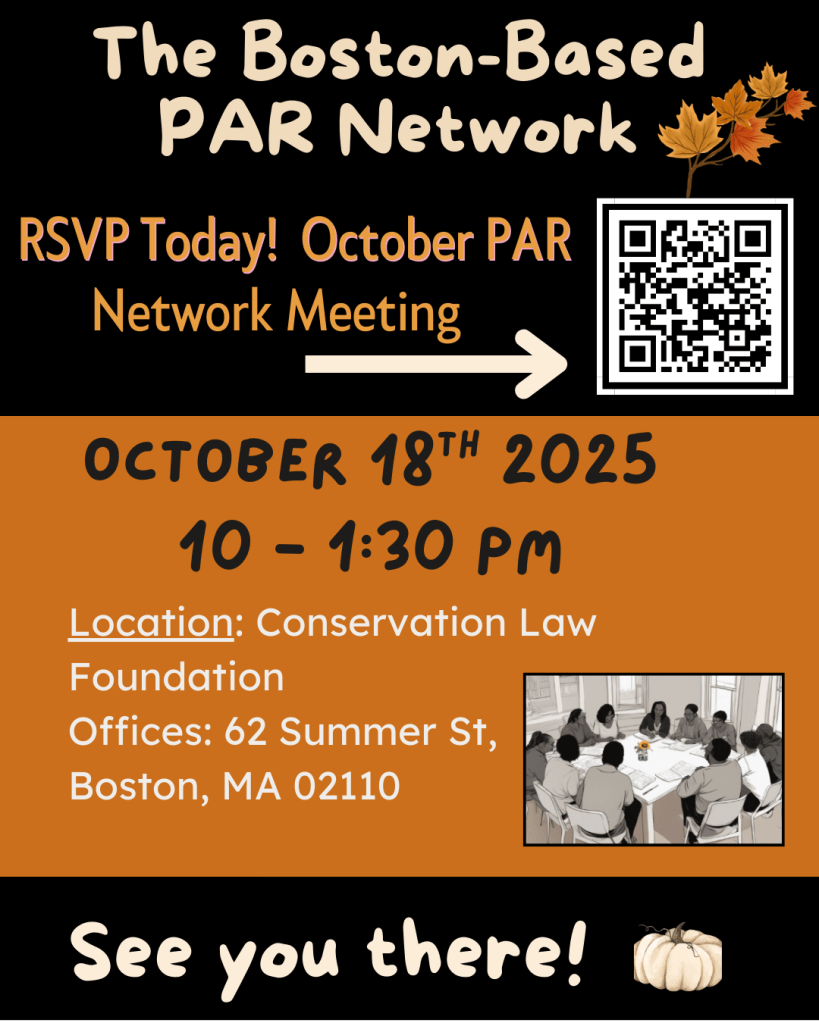
Our next meeting will be on October 18th, 2025. We hope to see you there!